


When you're shopping for an engagement ring, the diamond or stone gets all the attention, but the metal underneath matters just as much. White gold and platinum are the two most popular choices for engagement rings, and they're not interchangeable. Each one has a different feel, different long-term care requirements, and different vibes. Here's what you need to know to make the right call for your forever ring.
In this article
- What's the Real Difference Between White Gold and Platinum?
- White Gold Engagement Rings: Lighter Feel, More Maintenance
- Platinum Engagement Rings: Heavy, Durable, and Low Maintenance
- Comfort and Daily Wear: Which Feels Better?
- Long-Term Durability: Which Lasts Longer?
- Cost and Budget Considerations
- Making Your Choice: A Simple Framework
What's the Real Difference Between White Gold and Platinum?
White gold and platinum look similar at first glance, but they're totally different metals with different properties. Platinum is significantly denser and heavier than white gold, which means it's a solid, substantial metal that feels different when you wear it every day.
White gold, on the other hand, is lighter and less dense. It's an alloy, meaning it's mixed with other metals to create that signature bright white color. That mixture gives it a different weight distribution on your hand, which some people prefer and others don't.
The key thing: platinum is naturally white and keeps that color forever. White gold gets its whiteness from a coating called rhodium, which gradually wears away over time and needs to be reapplied to maintain that bright finish.
White Gold Engagement Rings: Lighter Feel, More Maintenance
White gold feels lighter on your finger, and that's the big selling point for a lot of people. If you're not used to wearing rings or you prefer a lighter feel during daily life, white gold is the more comfortable choice. You'll notice it less as you go through your day.
The trade-off is maintenance. Your white gold ring will need periodic rhodium replating to keep that brilliant white shine. Over time, the protective coating wears away from daily wear, and the metal underneath starts to show through as a slightly duller, more yellowish tone. Some people actually like that vintage look, but if you want that fresh, shiny white appearance, plan on replating every couple of years depending on how heavily you wear it.
When you're having a custom engagement ring designed at Angelucci Jewelry, it's worth asking about their recommendations for white gold maintenance so you know exactly what to expect.
White gold is also slightly more prone to scratches and surface wear because of its lower density. That doesn't mean it's delicate, but you might notice small marks and scuffs more easily than you would with platinum.
Platinum Engagement Rings: Heavy, Durable, and Low Maintenance
Platinum is the heavy hitter of ring metals, literally. It's about 60% denser than white gold, which means your ring will feel solid and substantial on your hand. If you like the feeling of a "real" ring that has some weight to it, platinum delivers that sensation every single day.
Here's where platinum really shines: it doesn't need replating. Because platinum is naturally white and doesn't have a protective coating that wears away, your ring will look exactly the same 20 years from now as it does on day one. No maintenance appointments, no replating fees, no worrying about your ring's color fading.
Platinum is also incredibly durable and handles impacts and pressure differently than white gold. It's harder to scratch and resists wear better over decades of daily wear. If you work with your hands, exercise frequently, or just want a ring that's going to look perfect without any upkeep, platinum is the obvious choice.
The downside? Platinum is heavier, which can take some getting used to if you've never worn a heavier ring. And platinum costs more upfront than white gold, which might influence your decision depending on your budget.
Comfort and Daily Wear: Which Feels Better?

This one is purely personal. Some people love the feeling of platinum's weight, especially if they want to know their ring is there. Others find that weight annoying after wearing it 24/7 and prefer white gold's lighter touch.
Think about what you like in other accessories. Do you prefer heavier necklaces or lighter ones? Do you like wearing watches, and if so, do you like a heavier sports watch or a delicate dress watch? Your preferences there probably match up with your metal preference too.
Your daily activities also matter. If you're in and out of water frequently, work in tough environments, or spend a lot of time wearing gloves, you might prefer the lighter feel of white gold. If you're comfortable with weight and want maximum durability, platinum makes sense.
The best move? Visit a jeweler and try on both metals in similar designs. Wear them for an hour or two if you can. That real-world feel beats any description.
Long-Term Durability: Which Lasts Longer?
Both white gold and platinum are incredibly durable metals that will last a lifetime with proper care. But they age differently.
Platinum's durability edge comes from its resistance to scratching and its ability to hold prongs and settings securely over decades. If your ring takes a hard knock, platinum is more likely to just absorb the impact without visible damage.
White gold can handle impacts too, but it's more likely to show surface scratches and wear patterns. That's not a deal-breaker, though. Many people appreciate the patina that white gold develops over time, seeing it as a sign of a ring that's been loved and worn.
The real difference isn't lifespan, it's appearance maintenance. Platinum looks the same forever. White gold changes gradually and requires intervention to restore its original shine.
Cost and Budget Considerations
Price isn't something we can nail down exactly since metal costs fluctuate, but platinum is generally more expensive than white gold. The price difference can be meaningful depending on the size and design of your ring.
When you're comparing costs, remember to factor in maintenance. A white gold ring might cost less upfront, but replating appointments add up over the years. Platinum costs more initially but has zero ongoing maintenance costs.
Think about your total cost of ownership over the life of the ring, not just the sticker price when you buy it. If you're planning to wear this ring for 50+ years, the math might work in platinum's favor even if it costs more going in.
Making Your Choice: A Simple Framework
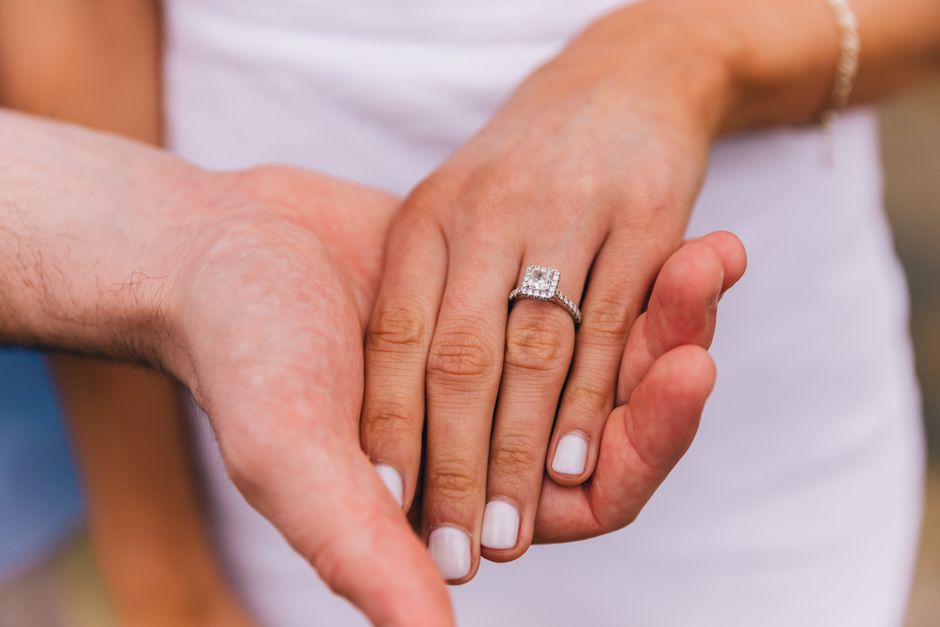
Here's how to decide between the two:
Choose white gold if: You prefer a lighter feel, you like the idea of vintage patina developing over time, or budget is your top concern. You're comfortable doing maintenance every couple of years.
Choose platinum if: You want zero maintenance and maximum durability, you like the feeling of a heavier ring, or you plan to keep this ring unchanged for decades. You want it to look perfect 30 years from now without any work on your end.
There's no wrong answer here, only which one matches your lifestyle and preferences better. If you're still torn, the team at Angelucci Jewelry can walk you through both options and help you figure out which metal will make you happiest long term.
What happens if I scratch my white gold engagement ring?
Small scratches in white gold are normal and part of wearing a ring daily. They don't affect the structural integrity of your ring at all. If you want to minimize visible scratches, you can have your ring polished during a replating appointment. Deep scratches are rare unless your ring takes a serious impact.
Can you convert a white gold ring to platinum?
Technically, a jeweler could remake your ring in platinum, but it would be a complete remake, not a conversion. You'd be paying for new platinum metal plus the labor to recreate your design. If you're thinking about changing metals, it makes more sense to start fresh with your preferred metal for your next ring rather than rework your engagement ring.
Does platinum need cleaning or polishing like white gold does?
Platinum doesn't need the same level of maintenance as white gold because it doesn't have a protective coating that wears away. You can have it cleaned and polished just like white gold if you want to restore shine, but it's not required. Platinum will maintain its appearance naturally over time.
Which metal is better for gemstones other than diamonds?
Both metals work beautifully with any gemstone. Some people choose platinum for colored stones because they want maximum durability for a more delicate stone. White gold works great too and gives you more flexibility with maintenance costs if you ever need to have your stone reset or repaired.