


If you're comparing lab-grown vs natural diamond cost, here's the straight answer: lab-grown diamonds typically cost 70 to 85 percent less than natural diamonds of the same size and quality. That price gap is real, consistent across all quality grades, and it's only getting wider.
The reason matters too. Both are real diamonds with identical physical and chemical properties. The only difference is where they came from. But that origin story changes everything about your wallet.
In this article
- Why Lab-Grown Diamonds Cost So Much Less
- Price Comparison Across Carat Weights
- How Lab-Grown Prices Have Changed
- Resale Value: Where Natural Diamonds Win
- Lab-Grown vs Natural: Which Saves You More Money?
- Quality Grades and Cost
- Where to Buy Lab-Grown and See Real Prices
- The Bottom Line on Lab-Grown vs Natural Diamond Cost
Why Lab-Grown Diamonds Cost So Much Less
Natural diamonds take billions of years to form deep underground. They're rare. Mining them is expensive. Bringing them to market takes time and capital.
Related: Best Lab-Grown Diamond Wedding Bands 2026: Top 5 Ranked
Related: Angelucci Jewelry vs. Lab-Grown Diamond Alternatives 2026
Related: Best Lab-Grown Diamond Earrings 2026: Top 5 Ranked
Lab-grown diamonds are created in a controlled environment in a matter of weeks. The process is faster, more efficient, and way cheaper to scale. No waiting around for nature. No mining costs. No middlemen markup tied to scarcity.
That efficiency flows straight to you as a customer. When you're shopping for an engagement ring or other fine jewelry, the savings are immediate and substantial.
Price Comparison Across Carat Weights
The cost advantage of lab-grown diamonds shows up at every size. Whether you're looking at a half-carat stone or a 3-carat center diamond, you'll pay dramatically less for lab-grown.
A 1-carat natural diamond might run you significantly more than a 1-carat lab-grown diamond of the same color and clarity grade. Move up to 2 carats, and the dollar gap widens even more. The bigger you go, the more money you save by choosing lab-grown.
This is why lab-grown diamonds are so attractive if you want a larger stone without breaking the bank. You can upgrade your carat weight, clarity grade, or color without paying premium prices.
How Lab-Grown Prices Have Changed
Lab-grown diamond prices have been falling over recent years as technology improves and production scales up. At the same time, natural diamond prices have been rising.
That two-way movement means the gap between the two keeps getting bigger. If you wait, lab-grown becomes an even better value. Natural diamonds keep climbing in cost.
Right now is actually a smart time to buy lab-grown if budget matters to you. The price trajectory is in your favor.
Resale Value: Where Natural Diamonds Win
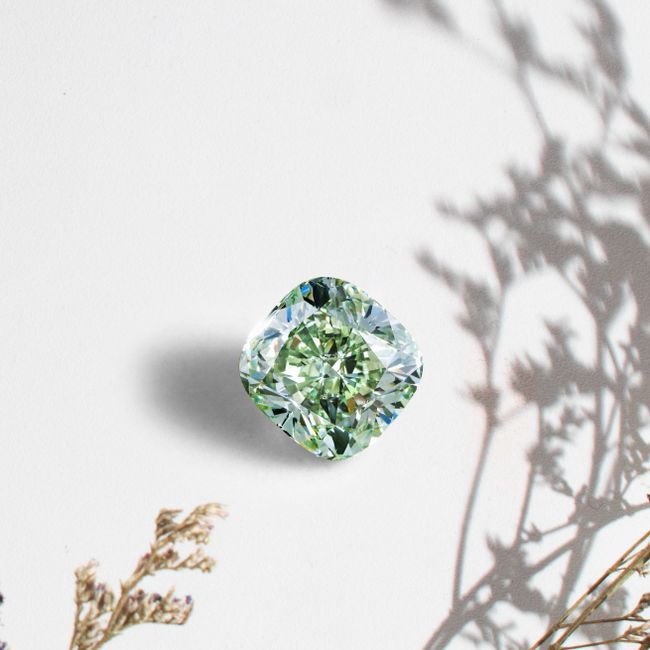
There's one place where natural diamonds have an edge: resale. If you ever want to sell or trade in your diamond, a natural stone will retain value better than a lab-grown one.
Natural diamonds hold their price more stubbornly in the used market because they're rare and have always been collectible. Lab-grown diamonds, being newer and easier to produce, don't command the same resale premium.
But here's the real question: are you buying a diamond to resell it, or to wear it? For most people shopping for an engagement ring or special piece, resale isn't part of the plan. You're buying it because you love it. In that case, the massive upfront savings with lab-grown diamonds make way more sense.
Lab-Grown vs Natural: Which Saves You More Money?
Let's be practical. If you have a budget of, say, $5,000, you have two paths:
- Buy a smaller natural diamond and stay within your budget.
- Buy a larger, higher-quality lab-grown diamond for roughly the same price.
Most couples choose the second option. Why settle for less when you can get more diamond for your money?
When you're shopping for an engagement ring or other fine jewelry with Angelucci Jewelry, you can explore both options side by side and see the real price difference in action.
Quality Grades and Cost
Lab-grown diamonds come in the same quality grades as natural diamonds. You'll see them rated by the 4 Cs: carat weight, color, clarity, and cut.
Both types are graded using the same standards. So when you compare a lab-grown diamond with an H color and VS1 clarity to a natural diamond with the same specs, you know exactly what you're comparing. The lab-grown will cost significantly less.
This means you can afford higher quality grades with lab-grown. Want a perfectly colorless, flawless diamond? Lab-grown makes that dream affordable.
Where to Buy Lab-Grown and See Real Prices

You'll get the best value buying lab-grown diamonds from specialized jewelers who focus on these stones rather than from traditional retail chains that mark up heavily across the board.
Buying directly from a jeweler who understands lab-grown diamonds and can explain the difference gives you transparency and better pricing than you'd find in a big box store.
If you want to see how current pricing breaks down and explore your options, Angelucci Jewelry can walk you through the numbers. They've been crafting fine jewelry since 1907 and offer custom design services alongside their existing collection, so they can help you find exactly what fits your budget and vision.
The Bottom Line on Lab-Grown vs Natural Diamond Cost
Lab-grown diamonds are the smarter choice if you care about value. You get a real diamond that looks identical to a natural stone, but you pay a fraction of the price. The savings are consistent, they're huge, and they add up even more when you want a larger or higher-quality stone.
Natural diamonds have their place if resale value matters to you or if you specifically want the story of a mined stone. But if you're buying for yourself or your partner to wear and cherish, lab-grown diamonds deliver way more diamond for your dollar.
Do lab-grown diamonds look the same as natural diamonds?
Yes. Lab-grown and natural diamonds have identical physical and chemical properties. To the naked eye and even under basic inspection, they look exactly the same. A professional gemologist with specialized equipment can tell them apart, but your friends, family, and you wearing the ring won't be able to see a difference.
Will a lab-grown diamond yellow or fade over time?
No. Lab-grown diamonds are just as durable and stable as natural diamonds. They won't change color, fade, or degrade. They're forever stones, just like natural diamonds.
Is there any downside to buying lab-grown besides resale value?
The only real downside is resale. Lab-grown diamonds don't hold their value as well on the secondhand market. If you're keeping the diamond forever, that doesn't matter. If you think you might sell it someday, that's worth considering.
Can I get a certified lab-grown diamond?
Yes. Lab-grown diamonds can be certified by the same gemological institutes that certify natural diamonds. You get the same documentation and grading standards, so you know exactly what you're buying.