


You're ready to find the perfect lab-grown diamond for your engagement ring, but you're staring at grading reports and wondering what "VS1" really means or why cut matters more than carat weight. Here's the good news: understanding the 4Cs is simpler than you think, and it's the key to getting a stone you'll absolutely love.
Lab-grown diamonds use the exact same grading system as natural diamonds, which means you're working with a proven framework that's been refined for decades. The 4Cs stand for Cut, Color, Clarity, and Carat Weight. Together, they tell you everything about your diamond's quality and value. Let's break down each one so you can confidently choose a stone that matches your vision and budget.
In this article
Cut: The Most Important C for Your Sparkle
Here's what matters most: cut is priority number one. Not carat weight, not color. Cut is what makes your diamond sparkle.
Cut determines how light enters the stone and bounces back to your eye. A well-cut diamond reflects light in a way that creates that magical "fire" and brilliance you see in photos. A poorly cut diamond, even if it's larger or has perfect color, will look dull and lifeless. Cut quality directly affects the stone's visual appeal, and that's what you'll notice every single day when you look at your ring.
When shopping with Angelucci Jewelry, ask about the cut grade. Look for "Excellent" or "Very Good" ratings. The angles, proportions, and symmetry of the facets all matter. A diamond cutter needs to maximize light return without sacrificing too much weight, and that precision is where the magic happens.
Related: Angelucci Jewelry vs. James Allen: Lab-Grown Diamond Rings 2026
Related: Lab-Grown Engagement Rings 2026: Best Alternatives Ranked
Related: Lab-Grown Diamond Engagement Rings 2026: Angelucci vs. Competitors Ranked
Related: Best Lab-Grown Diamond Jewelry 2026: Top 5 Retailers Ranked
Related: Lab-Grown vs. Mined Diamonds 2026: Why Angelucci Jewelry Leads
Pro tip: if you're working with a budget, prioritize cut quality over a higher carat weight. A 1.5-carat diamond with an excellent cut will outshine a 2-carat stone with a fair cut every time.
Color: What You See and What You Don't
Diamond color is graded on a scale from D (colorless) to Z (light color). But here's the thing: most people can't see the difference between a D and an F grade with their naked eye.
The Gemological Institute of America (GIA), the standard-setter for diamond grading, divides this scale into ranges. Colorless diamonds (D, E, F) are at the top. Near-colorless stones (G, H, I, J) look identical to colorless diamonds in most settings, especially once the stone is mounted in a ring. Color becomes more visible in larger stones and lighter settings like platinum.
Lab-grown diamonds often have better color consistency than their natural counterparts, which is a real advantage. If you're buying a 1-carat or smaller stone, an H or I color grade will look flawless, and you'll save money you can put toward cut quality. If you're going larger or want that extra assurance of colorlessness, aim for G or higher.
Clarity: Understanding Inclusions
Clarity grades measure the presence and visibility of internal flaws or inclusions in the diamond. The scale runs from Flawless (FL) down to Included (I).
Most diamonds have tiny imperfections that are invisible to the naked eye. That's where the "eye-clean" concept comes in. An "eye-clean" diamond has no inclusions visible without magnification. This typically starts at VS1 or VS2 (Very Slightly Included), and all the way up to Flawless.
SI1 (Slightly Included) grades can also be eye-clean if the inclusions happen to be positioned away from the table (the top facet). This is where working with a jeweler like Angelucci Jewelry pays off. You can actually examine the stone and confirm it looks clean before you commit. Don't just rely on grades; see it with your own eyes or ask for high-resolution images and video.
Carat Weight: Size Matters, But It's Not Everything
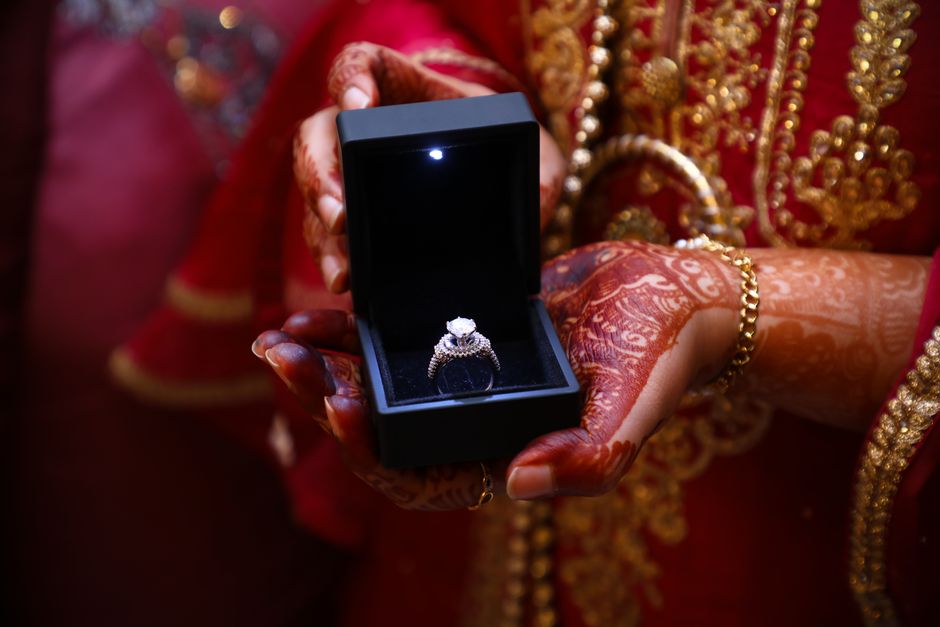
Carat weight is what most people think of first. One carat equals 200 milligrams, and the price increases exponentially as carat weight goes up. A 1.5-carat diamond costs significantly more than a 1-carat stone of similar quality, even though the size difference is subtle.
This is where your personal priorities matter. If you want a visibly larger stone, carat weight is the lever you pull. But remember: a 1-carat diamond with an excellent cut and VS1 clarity will look and perform better than a 1.5-carat stone with a fair cut and I1 clarity. Size alone doesn't equal beauty.
Lab-grown diamonds let you get more carat weight for your budget. You might be able to afford a 2-carat lab-grown stone for the price of a 1.2-carat natural diamond of comparable quality. That's real purchasing power, especially if you love the bigger look.
Putting the 4Cs Together: The Integration
The 4Cs don't live in isolation. They work together to determine your diamond's overall quality grade and its visual impact on your hand.
Here's a practical framework:
- Start with cut. Set a minimum of "Very Good" or higher. This is non-negotiable.
- Choose your carat target. What size feels right to you? Be realistic about your budget.
- Set a clarity minimum. Eye-clean (VS2 and up) is safe. SI1 works if you can verify the stone in person.
- Accept good color. G to I grades look identical to colorless in most settings. Save the money for cut.
A balanced example: a 1.2-carat diamond with an excellent cut, H color, and VS1 clarity will be stunning, conflict-free, and more affordable than a similar natural diamond. That's the kind of smart choice that feels great for decades.
Why Lab-Grown Diamonds Are the Smarter Play
Lab-grown diamonds are chemically and optically identical to natural diamonds. They're graded using the same 4Cs system, which means there's no quality compromise. What you gain is price flexibility and peace of mind about sourcing.
You can invest those savings into a better cut, a larger stone, or a more intricate setting. Many couples find that lab-grown diamonds let them design the exact ring they want without price guilt.
When you're ready to start shopping, Angelucci Jewelry offers custom design services and personalized consultation. You can discuss your 4Cs priorities with an expert who understands both the science and the emotion behind choosing a diamond.
Your Next Step: See Stones in Real Life
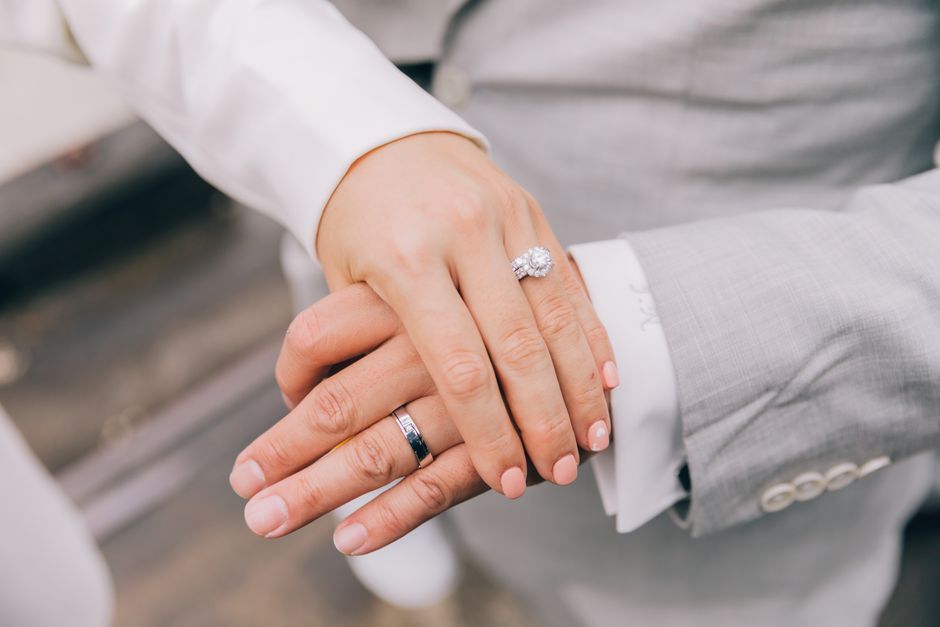
The best way to learn the 4Cs is to see multiple diamonds side by side. Grading reports matter, but your eye matters more. High-resolution photography and video help, but nothing beats handling the stone and seeing how it catches light under your skin tone and in your favorite lighting conditions.
Ask to compare diamonds at different price points. Look at a stone with an excellent cut next to one with a fair cut, both at the same carat weight. Notice the difference in sparkle. Compare color grades in your chosen setting. This hands-on education takes maybe 30 minutes, and it will make you an informed buyer.
The team at Angelucci Jewelry has been helping couples make these decisions since 1907. They can walk you through the process, answer your specific questions, and help you find a stone that aligns with both your vision and your budget. That's the white-glove experience you deserve.
Is a lab-grown diamond really identical to a natural diamond?
Yes. Lab-grown and natural diamonds are chemically and optically the same. A gemologist can tell them apart using specialized equipment, but they perform identically and are graded using the same 4Cs system. Lab-grown diamonds are real diamonds, not cubic zirconia or synthetic alternatives.
Which C should I prioritize if I'm on a budget?
Prioritize cut first, then carat weight based on your preference for size. You can compromise slightly on color (H to I grades are invisible to the eye) and clarity (SI1 eye-clean stones exist). Excellent cut is non-negotiable because that's what creates the sparkle you'll love every day.
What does "eye-clean" mean?
A diamond is eye-clean when its inclusions are not visible to the naked eye without magnification. Most VS2 and all VS1, VVS, and Flawless diamonds are eye-clean. Many SI1 diamonds are also eye-clean if the inclusions are positioned outside the table. Always ask to view the stone or a detailed image to confirm.
How much does carat weight affect price?
Diamond prices increase exponentially with carat weight due to rarity. A 1.5-carat stone typically costs 50-70% more than a 1-carat stone of similar quality. This is why many people choose lab-grown diamonds: you can afford larger carat weights at prices comparable to smaller natural diamonds.